
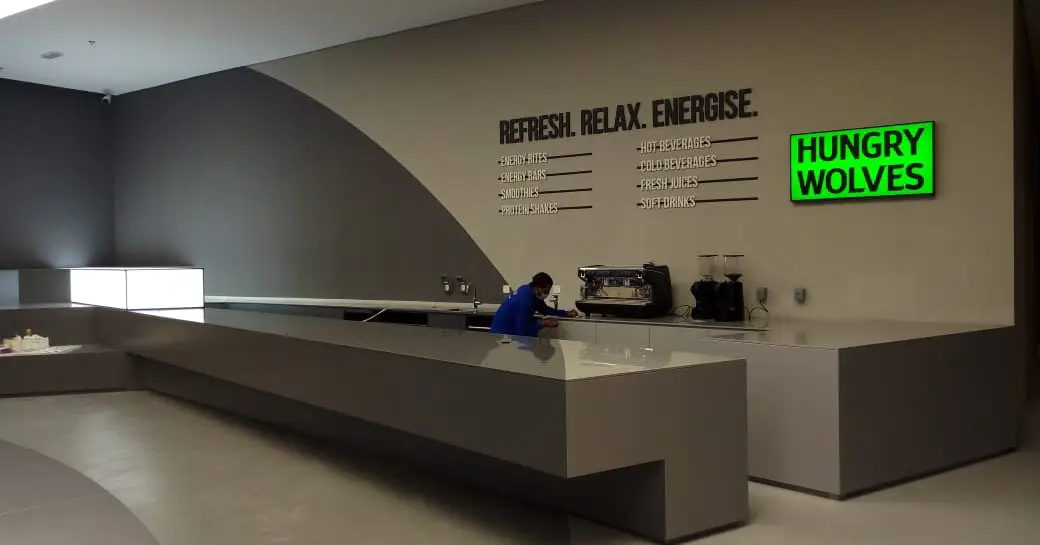
Choosing surfaces for a flat base creates a clean look. Pure brightness in a room makes spaces feel wide and open. Selecting a finish for counters or walls needs careful thought on budget versus quality. Many find themselves checking price tags while hunting for the ideal balance. A polished, bright slab remains a popular pick for those desiring a minimal design. Investing in White Corian proves a sensible choice.
Material base costs:
The price fluctuates based on the slab thickness and quality. Standard solid surfaces often range from twenty-five to eighty dollars per square foot. Selecting a thinner cut keeps expenses down, while thicker slabs offer more heft. Budgeting requires looking at the total area size to avoid unexpected bills during the final purchase.
Labor fees and installation:
Professional setup adds to the invoice. Skilled workers charge for their time and effort to ensure perfect seams. Complex cuts or custom shapes demand higher fees. Getting quotes from local experts helps clarify the exact labor portion of the total expense.
Maintenance and longevity:
Durability affects the long-term value. While some surfaces need sealing or special care, this material remains non-porous. Spills wipe away without leaving stains behind. Minor marks or scratches can be buffed out with light sanding, keeping the surface looking fresh for years without full replacements.
Comparing to other options:
Natural stones like marble or quartz often carry higher price tags per square foot. Granite also demands extra care and periodic sealing. Comparing the initial cost against the lifespan shows where savings occur. High-end materials might look nice, but the recurring care costs add up differently than a solid surface.
Customization and edge styles:
Choosing a simple edge keeps the price lower. Fancy curves or decorative profiles increase the cost significantly. Opting for a standard flat edge provides a sleek appearance while saving funds for other room updates. Focus on the layout to minimize waste during the cutting process.
Final value assessment:
Calculate the full cost by adding material prices to professional installation fees. Think about the years of use. Choosing a material that stays bright and clean saves both time and labor. A well-planned budget ensures the chosen surface fits the room perfectly without breaking the bank. Making a decision based on daily utility remains a wise path for any home improvement project.