
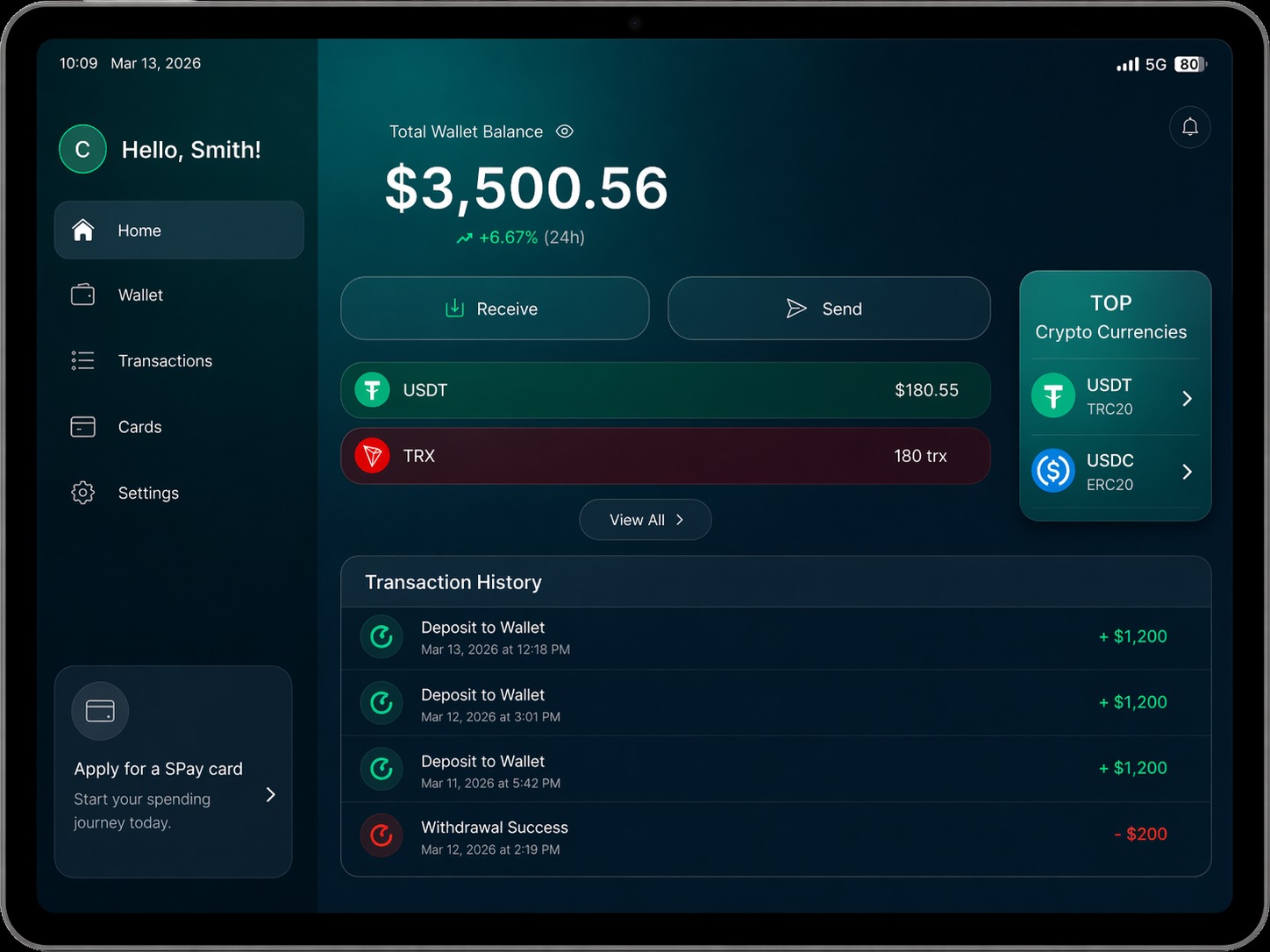
USDT (Tether) has become a widely used stablecoin due to its consistent value pegged to the US dollar. However, when it comes to transferring USDT, users often encounter varying fees depending on the blockchain network they choose. Learning about the USDT transfer fees is essential for making cost-effective decisions and ensuring smooth transactions.
Different Networks, Different Costs
The cost of transferring USDT largely depends on the network being used. Tether operates on multiple blockchains, including Ethereum, Tron, Binance Smart Chain (BSC), and more. Each network has its own structure for processing transactions, which directly impacts the fees you pay.
For example, when using the Ethereum network, gas fees can fluctuate significantly based on network congestion. Ethereum is known for its security and smart contract capabilities, but higher traffic often leads to expensive transfer costs. On the other hand, Tron is often favored for its relatively inexpensive USDT transfers due to its lower transaction fees and faster processing times.
Binance Smart Chain is another alternative with competitive costs and quick transactions. However, fees can vary depending on network activity, which makes it important to check before initiating a transfer.
Why Fees Vary Across Blockchains
The fees associated with USDT transfers are influenced by how each blockchain operates. Ethereum uses a gas fee model, where fees are determined by the computational power required to complete a transaction and current demand on the network. Conversely, Tron and BSC use different mechanisms, often resulting in lower base costs for the user.
Blockchains that support higher throughput, such as Tron, can typically handle a higher volume of transfers at once, which reduces individual costs. This is why Tron has become a popular choice for those transacting smaller amounts or transferring funds frequently.
Tips for Choosing the Right Network
When deciding on a network for USDT transfers, it’s important to take a close look at factors like transaction speed and current costs. Tools like fee trackers or network dashboards can be invaluable in comparing options before you proceed. Additionally, for larger transactions, some users are willing to prioritize security and reliability over minimal fees, making Ethereum a preferred network despite its higher costs.
Understanding USDT transfer fees across networks allows you to make informed financial decisions. Selecting the right blockchain network can save you money and help ensure your transactions go through efficiently. By staying informed about network-specific costs and features, you can optimize your transfers to match your needs effectively.