
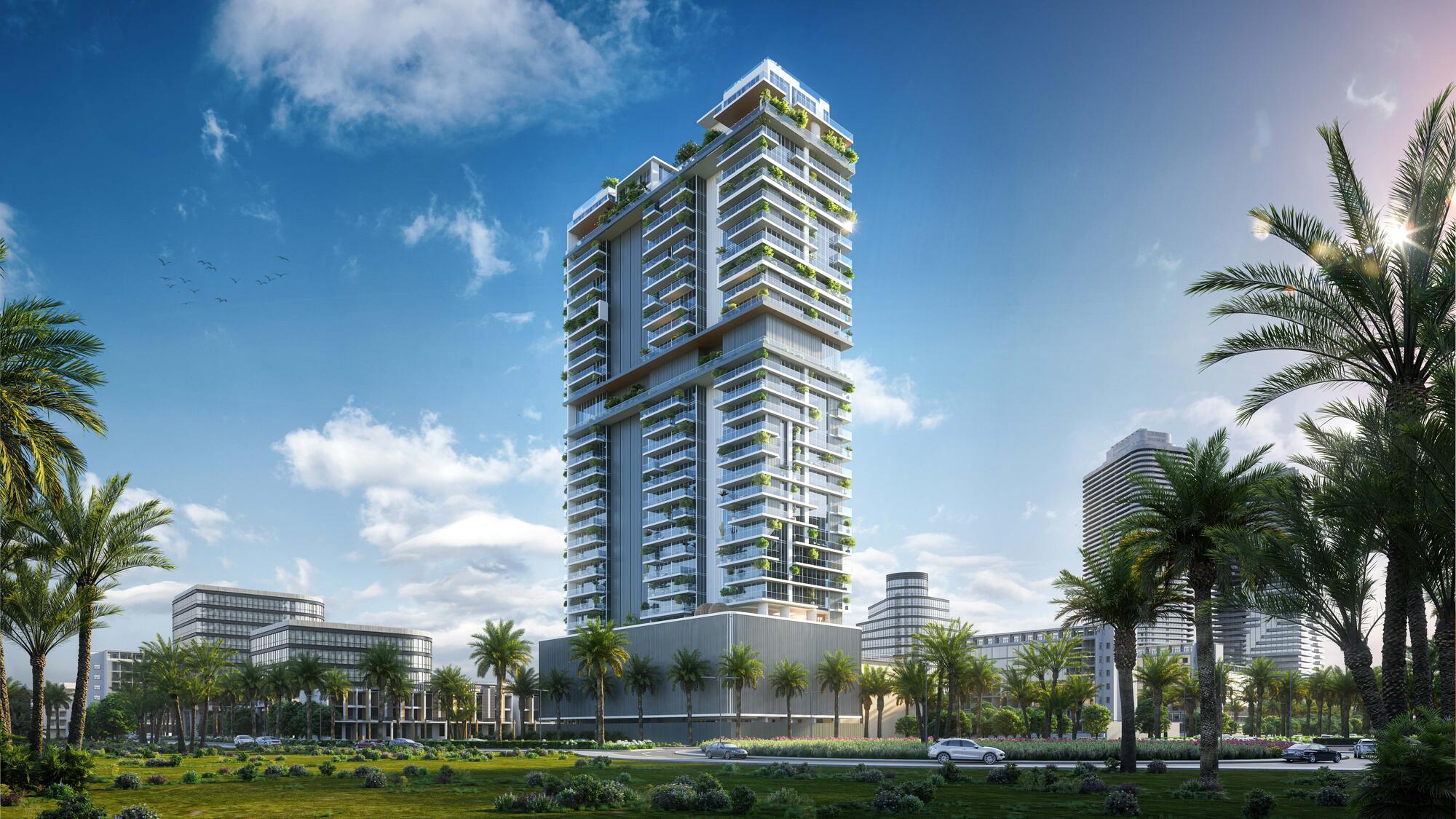
Buildings age, styles change, and markets shift. Yet certain properties hold their worth decade after decade. These spaces remain desirable, command premium rents, and attract loyal occupants. The difference lies in deliberate choices made long before the first shovel hits the ground.
Lasting value emerges from careful planning, foresight, and a deep commitment to quality that pays dividends over time. This is how skilled UAE developers create assets that stand strong against economic tides.
Adaptive building design:
Rigid structures become obsolete fast. Developers design flexible floor plates that allow easy reconfiguration. Columns placed on the perimeter create open interiors that adapt to retail, offices, or residential use. Ceiling heights of at least twelve feet accommodate modern HVAC systems and exposed ductwork. Wide corridors and oversized elevators handle furniture moves and equipment changes. This adaptability ensures the building serves multiple purposes over its lifetime.
Material selection strategy:
Cheaper materials create expensive problems later. Developers choose concrete with higher compressive strength and steel with better corrosion resistance. They specify double-glazed windows with thermal breaks and roofing membranes rated for extreme weather. Flooring materials receive extra thickness in high-traffic zones. Electrical wiring uses copper instead of aluminum. These choices raise initial costs but reduce replacement frequency and energy consumption for decades.
Energy efficiency first:
Operational costs eat into returns. Developers install variable refrigerant flow systems that adjust to room-specific needs. They orient buildings to maximize natural light while minimizing heat gain. Motion sensors control lighting in corridors and parking areas. Rainwater harvesting systems irrigate landscaping and reduce municipal water bills. Solar-ready roofs allow future panel installation without structural modifications. These features attract tenants looking to lower their utility expenses.
Community integration:
Isolated buildings lose relevance. Developers create ground-floor retail spaces that face the street, not parking lots. They design pedestrian pathways that connect to existing walkways and transit stops. Public art installations and seating areas invite foot traffic. Landscaping uses native plants that thrive with minimal irrigation. These elements weave the property into the neighborhood fabric, making it indispensable to local life.
Maintenance forward planning:
Neglect destroys value silently. Developers establish maintenance schedules before construction ends. They install easy-access panels for plumbing and electrical systems. Roofs get walkways that distribute weight evenly during inspections. Equipment rooms have enough clearance for part replacements. They fund reserve accounts for future repairs and create detailed operation manuals for new owners. This discipline prevents minor issues from becoming costly failures.